
Polynucleotides: why everyone’s talking about PDRN and PN treatments?
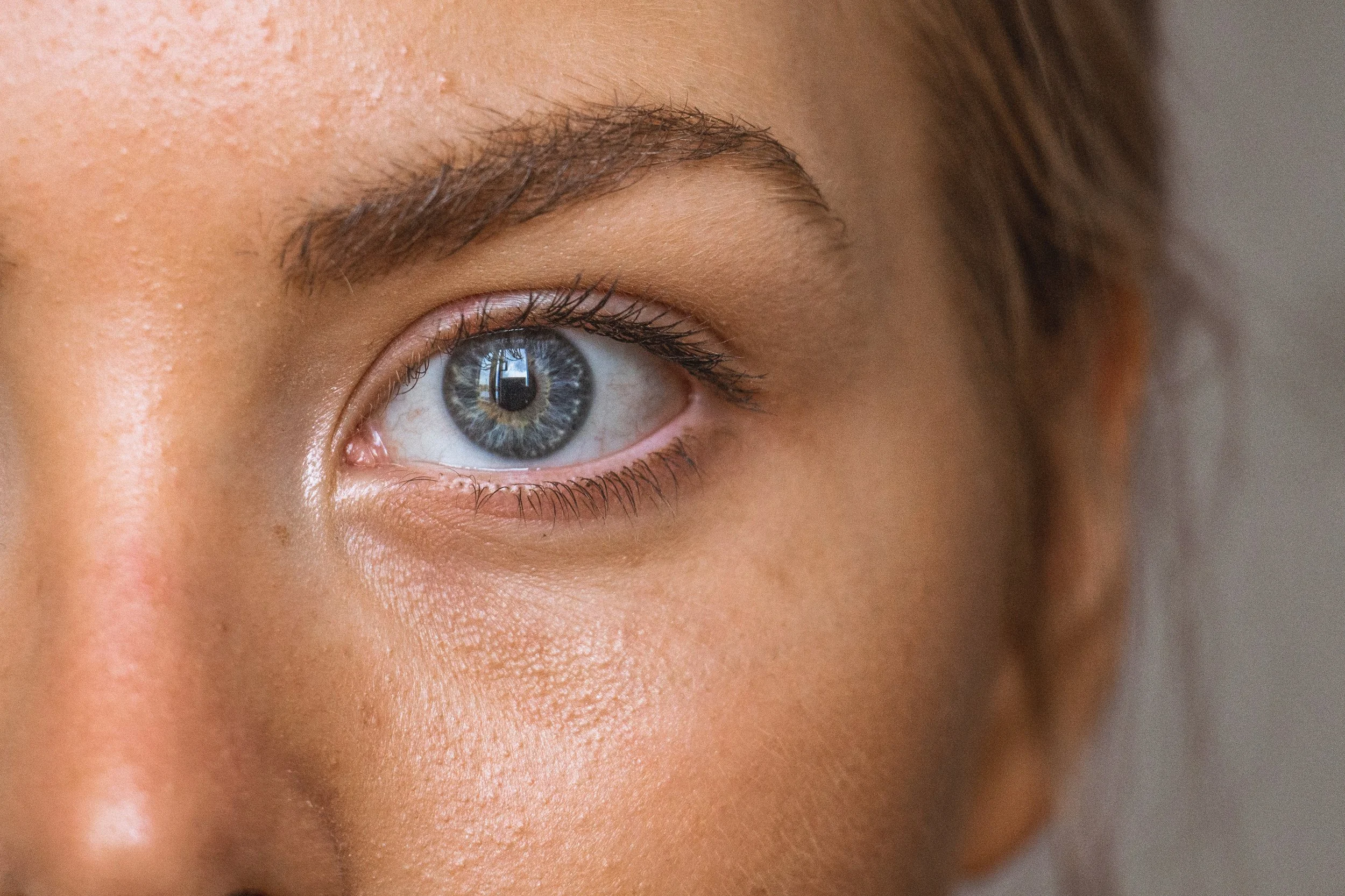
If you’ve been anywhere near aesthetics content lately, you’ll have seen polynucleotides — also known as PDRN or PN treatments — come up again and again. And for good reason. This is one of the treatments I’m genuinely excited about right now, because the science behind it is solid and the results speak for themselves.
What are polynucleotides?
Polynucleotides are purified DNA fragments, typically derived from salmon or trout. Before that puts you off — the purification process is extensive, and these treatments have been used medically in parts of Europe and Asia for years. They work by binding to receptors in the skin that stimulate tissue repair, regeneration, and new cell growth.
Unlike fillers, they don’t add volume. Unlike Profhilo, they don’t primarily work through hydration. They work by encouraging the skin to repair and renew itself from within. That’s what makes them different — and why they’re not a replacement for other treatments, but often a brilliant complement.
Who do they suit?
In my experience at Face Lab, polynucleotide treatments work particularly well for:
• Patients with skin that looks tired, dull, or “crepey” — especially around the eyes
• Those dealing with fine lines that aren’t responding well to other treatments
• Anyone wanting to improve skin quality after significant sun exposure or lifestyle stress
• Patients who’ve had filler or anti-wrinkle injections and want to address overall skin health alongside volume
They’re suitable for most skin tones and types, which is something I care about deeply in my London clinic where my patients come from all walks of life.
What to expect?
A course of treatments is usually recommended — typically two to three sessions spaced a few weeks apart — before full results become visible. Results build gradually and naturally, which is honestly how I think the best aesthetics should work.
As with all treatments at Face Lab, I’ll assess your skin properly in consultation before recommending whether this is right for you.
Curious about polynucleotides? Book a consultation at Face Lab — I’d love to talk you through whether this could be a good fit.
